|
Varroa Tolerance – Mexico
|
|
|
64.29 KB |
58 |
27-07-2025 |
|
|
Varroa affected by the number of foragers
|
We measured the proportion of foragers carrying mites while entering and leaving hives to determine its relationship to the growth of varroa populations in those hives. |
|
348.77 KB |
310 |
24-02-2016 |
|
|
Varroa destabilizes interaction between immune effectors and virus in bees
|
The association between the deformed wing virus and the parasitic mite Varroa destructor has been identified as a major cause of worldwide honeybee colony losses.n in mite-infested bees. |
|
387.92 KB |
298 |
22-03-2019 |
|
|
Varroa destructor resistance to anti-Varroa products based on flumethine, fluvalinate, amitraz, and coumaphas in the Middle East
|
Honey bee populations are experiencing alarming declines due to a combination of biotic and abiotic stressors, including parasites, pathogens, habitat loss, pesticide exposure, and climate change. |
|
854.26 KB |
532 |
31-07-2025 |
|
|
Varroa – A Five-Species Complex + Varroa Mites – A Community Problem
|
|
|
54.75 KB |
65 |
28-07-2025 |
|
|
Varroa – Short History + Feral Bee Comeback: Varroa Tolerance
|
|
|
59.02 KB |
55 |
31-07-2025 |
|
|
Veils, Gloves, Suits, Hive Tools, Epipens + Safety in the Bee Yard
|
|
|
76.88 KB |
175 |
25-08-2025 |
|
|
Vespa velutina across Europe and other continents
|
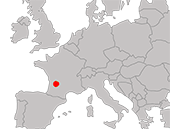
Vespa velutina nigrithorax, an Asian bee-hawking hornet, has been unintentionally introduced in southwestern France before 2004 and is currently widely spreading across the country. Its arrival in northern Spain was reported in 2010. |
|
499.33 KB |
297 |
11-06-2011 |
|
|
Vespa velutina: current situation and perspectives
|
Alien species are usually characterized by their overall flexibility especially when facing disturbance (LEE & GELEMBIUK, 2008). Social hymenopteran are such highly flexible species due to eusociality: they exhibit behavioural plasticity due to their organization in castes; they also have high reproductive rates, demonstrate efficient competitive and dispersal abilities and are opportunistic foragers
(MOLLER, 1996 |
|
123.84 KB |
3204 |
18-11-2016 |
|
|
Virgin Mary of the bees was offered on behalf of Greece
|
By the President of the Republic of Greece at the inauguration of Notre Dame Cathedral on December 7, 2024, coinciding with the opening of the Beekeeping Conference at the 15th Honey Festival. |
|
80.19 KB |
1524 |
27-12-2024 |
|